Companies rely on connected devices heavily to gather information, streamline business processes and run smarter operations. It can be difficult to manage a growing fleet across multiple locations. From software updates and monitoring of systems to security compliance and optimization devices require constant attention and technical expertise. Managed services that are structured can to make the process simpler.
Companies often start looking for Raspberry device management software for free options to reduce the initial costs. While free tools can provide simple monitoring capabilities as well as remote access, they seldom provide the full lifecycle management needed for enterprise deployments. Businesses need more than manual controls and dashboards as device networks grow. They need a unified system that can handle security, provisioning monitors, performance, compliance reporting, and tracking compliance on a regular basis.
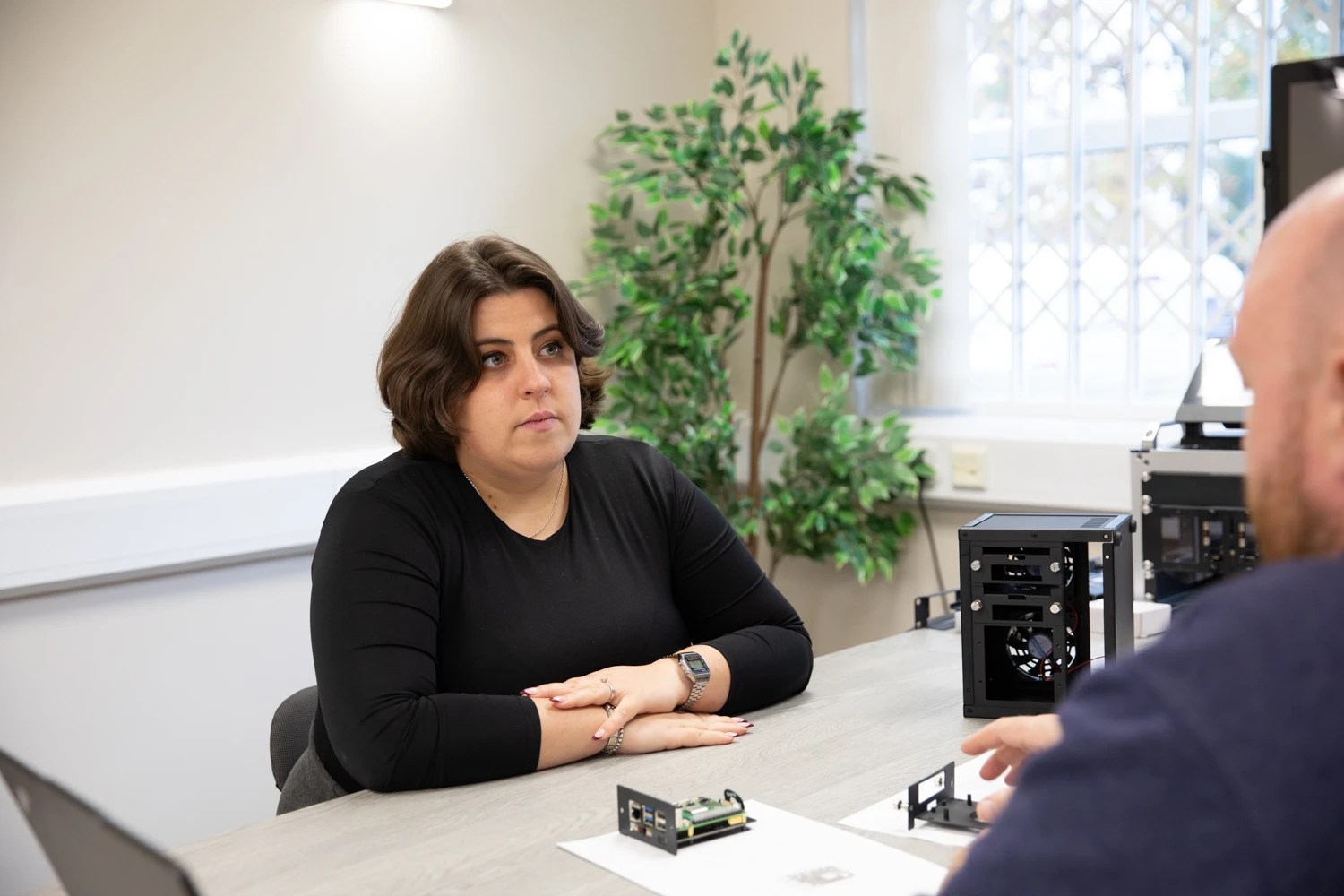
A properly managed infrastructure can take the burden of running a day-to-day operation on internal teams. The business can instead concentrate on growth and development, instead of troubleshooting and patching equipment and systems. Each device is configured as well as deployed and maintained under a unified framework to ensure continuity and security. This system reduces the time to downtime and eliminates security risks that result from misconfigurations and erroneous updates.
A Partnership Model Built for Scale
IoT ecosystems rarely succeed when built in isolation. They require strategic planning and a smart architecture. A Raspberry Pi partner with experience in the field will ensure that the hardware, software and system architecture are all in line with the operational objectives. Instead of viewing deployment as a one-time task, this partnership approach provides a foundation that adapts to changing business requirements.
Each managed service arrangement is adapted to the environment of the client including hardware integration, device management platforms, as well as technical support in a single operational agreement. This approach unifies the work of vendors and simplifies communications. Business owners now have a named technical contact, established service level agreements and transparent reports that keep all parties informed.
Standardization of the provisioning process and procedure for configuration ensures that it is uniform in every location. Each device is constructed to be tested, and then registered prior to deployment, ensuring consistency from the first day. Continuous telemetry gives engineers in-depth information about the health of the device and stability. This allows them to identify system malfunctions and problems before they grow.
Operational Excellence through Continuous Management
The importance of proactive maintenance is greater than reactive troubleshooting for a stable IoT environment. Regular patching and updates will ensure that operating systems and applications are secure and reliable. To avoid interruptions and maintain uptime, updates are thoroughly checked prior to deployment.
The operational workflow is also a part of compliance requirements. The reporting mechanisms are in line with regulatory expectations. This structured approach to auditing helps reduce stress and improves cybersecurity posture.
Managed services are especially useful when they incorporate lifecycle management and optimization of performance. Regular system reviews reveal potential for hardware upgrades, energy efficiency improvements, and the balancing of workloads. Instead of waiting until devices stop working or are obsolete, the infrastructure is built along with the growth of the organization.
Cloud and Edge Technologies can be seamlessly connected
Modern deployments typically require tight integration between the edge hardware and cloud ecosystems. Expert Azure IoT consulting helps businesses connect devices securely to cloud platforms while optimizing data pipelines, analytics workflows, and automation capabilities. This integration of physical infrastructure and cloud intelligence makes it possible to make smarter choices and better operational agility.
Professional IoT consulting ensures that monitoring platforms, security protocols, and the framework for data governance function seamlessly. Engineers keep track of system performance 24/7 and react to any anomalies prior to them disrupting operations. The capability to increase support options lets companies grow with confidence, knowing their technical expertise will increase along with the devices’ fleet.
Simple: the aim is for cutting-edge systems to be seamless. Scaler PI helps make edge technology more readily accessible to users by combining the practical expertise of hardware and the latest innovations in cloud computing to create a seamless environment in which data, devices and operations are able to work seamlessly.
A Better Method to Manage Device Infrastructure
Managed services provide an all-in-one source of accountability for design, hardware and monitoring. Cost-effective pricing models that are predictable eliminate budget surprise. Monitoring and monitoring continuously, as well as automated updates decrease operational risk. Businesses gain peace of mind that their infrastructure is safe, compliant, and always operating at its top.
The requirement for solid operational frameworks is rising as IoT ecosystems expand. A managed service that is robust assures that the device networks are safe, reliable and up-to-date, allowing companies to innovate without having infrastructure management slow them down.